Disembarking to Exit: A Step-By-Step Guide to International Customs Procedures Simplified
You’ve just landed after a long international flight, and now comes the crucial part: getting through customs smoothly. The process can feel confusing and overwhelming, but it doesn’t have to be.
Knowing exactly what to expect and what steps to follow will save you time, stress, and even unexpected fees. In this guide, you’ll find clear, simple instructions to help you move from disembarking the plane to exiting the airport without a hitch.
Keep reading—you’re about to master international customs like a pro.
Preparing For Arrival
Preparing for arrival at an international airport is key to a smooth customs process. Understanding what to do before you reach the customs line saves time and stress. Clear preparation helps avoid mistakes that could delay your exit or cause trouble.
Start by organizing your documents, packing carefully, and knowing the customs rules. Each step builds confidence and ensures you follow the rules correctly. Here is how to get ready.
Reviewing Travel Documents
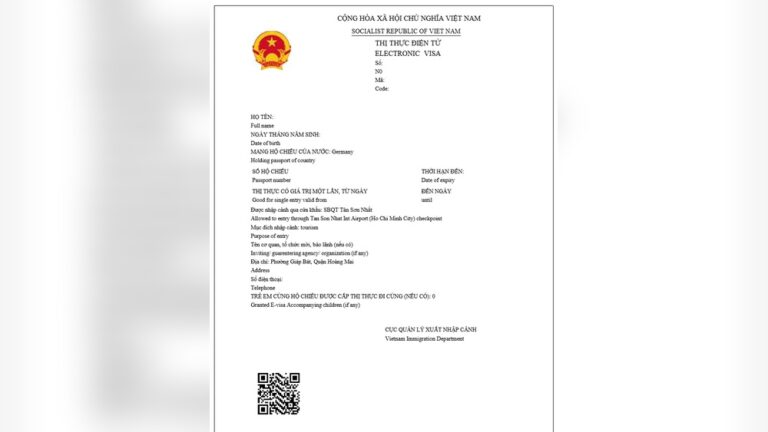
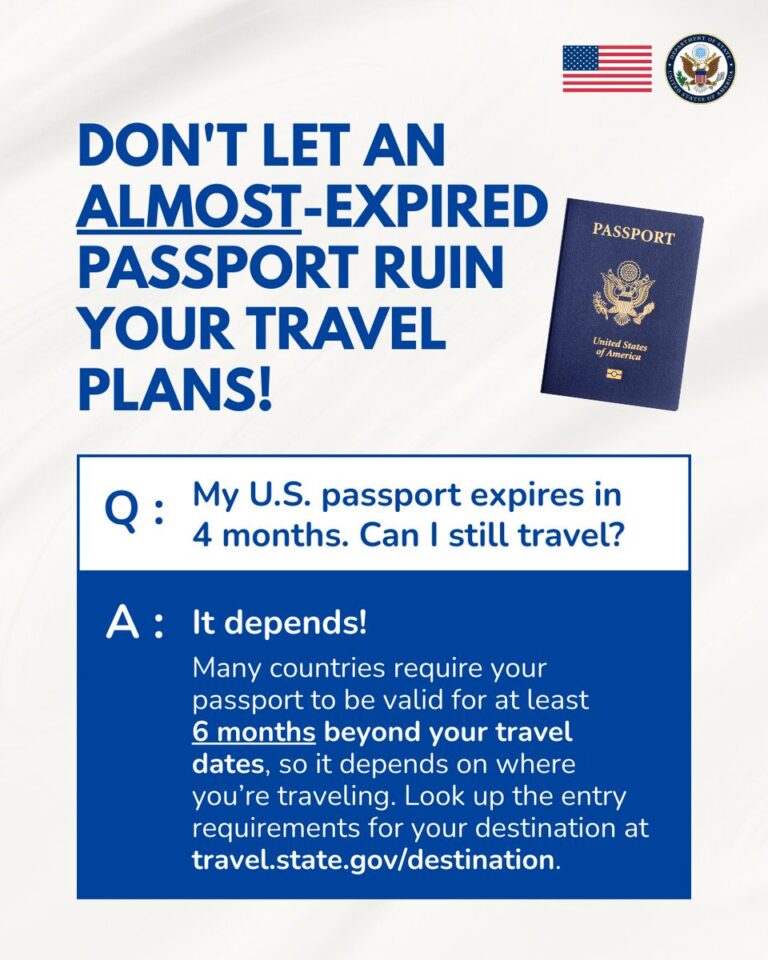
Check your passport to ensure it is valid for your destination. Some countries require six months of validity beyond your travel dates. Have your visa ready if one is needed. Keep your boarding pass and any arrival forms handy. Double-check names and dates for accuracy to avoid issues.
Packing And Declaring Items
Know the rules on what you can bring into the country. Separate items that need to be declared, such as large sums of money, gifts, or restricted goods. Keep receipts for expensive items bought abroad. Pack your luggage so that you can easily show these items if asked.
Customs Forms And Declarations
Fill out customs forms truthfully and clearly. These forms ask about items you carry and any food or plants. Answer all questions honestly to avoid fines or delays. Have the completed forms ready to hand over at customs. Keep a copy for your records if possible.
Navigating The Airport
Navigating the airport after an international flight can feel confusing. Airports are large, with many signs and areas to pass through. Knowing where to go next helps reduce stress and saves time. This guide will help you move smoothly from the plane to customs.
Following Signs And Directions
Look for clear signs after you leave the plane. Airports use symbols and words to guide travelers. Follow signs to “Arrivals,” “Customs,” or “Immigration.” These signs often hang from the ceiling or stand near walkways. Stay alert and move with the crowd to avoid getting lost. Ask airport staff for help if unsure.
Locating Customs And Immigration
Customs and immigration areas come next. They are usually just past the arrival gates. Immigration checks your passport and visa. Customs inspects your luggage and goods. Lines can be long, so be patient. Have your documents ready to show when asked. Keep your answers clear and simple. This step is important for your entry to the country.
Handling Baggage Claim
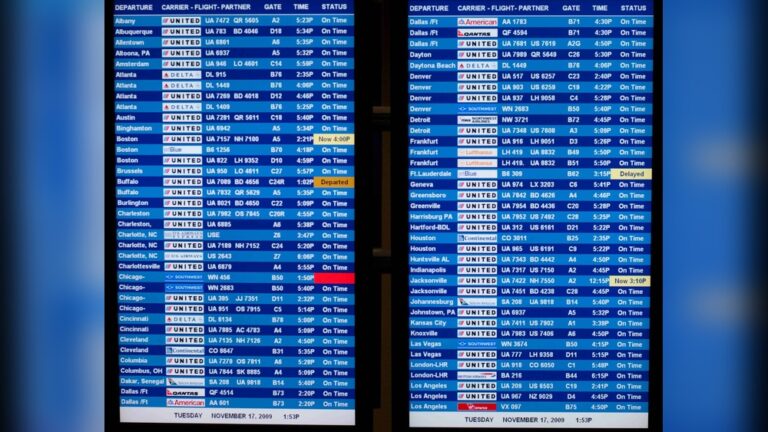
After immigration, head to baggage claim. This is where you get your checked bags. Look for screens showing your flight number. They tell you which carousel your bags will come out on. Wait patiently and collect all your luggage. Check each bag’s tag to confirm it is yours. If a bag is missing, go to the airline’s help desk immediately.
Customs Inspection Process
The customs inspection process is a key step when leaving an international flight. It ensures travelers follow rules and do not bring prohibited items. This process can feel intimidating but knowing what to expect helps reduce stress.
Customs officers check your belongings and documents. They ask simple questions about your trip and items you carry. Being prepared speeds up the process and avoids delays.
Presenting Documents
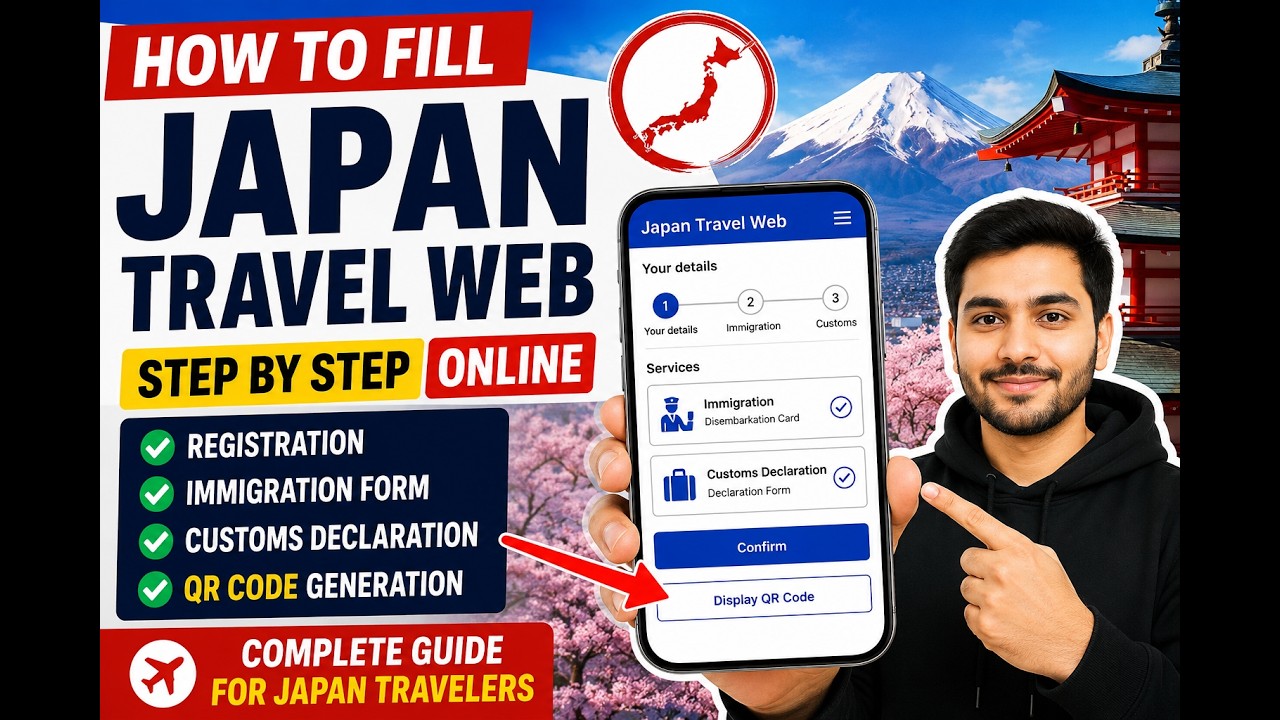
Have your passport and customs declaration form ready. Officers need to see these to verify your identity and travel details. Show the documents clearly and answer any questions about them.
Keep your boarding pass handy too. Sometimes officers ask for it to confirm your journey. Organize your documents before reaching the counter.
Answering Customs Questions
Officers may ask about your visit purpose and how long you stayed. They want to check if you follow the rules. Answer calmly and honestly in short sentences.
Expect questions about items you bring in. Declare anything that needs reporting, like food or gifts. Being truthful avoids fines or problems later.
Dealing With Inspections And Searches
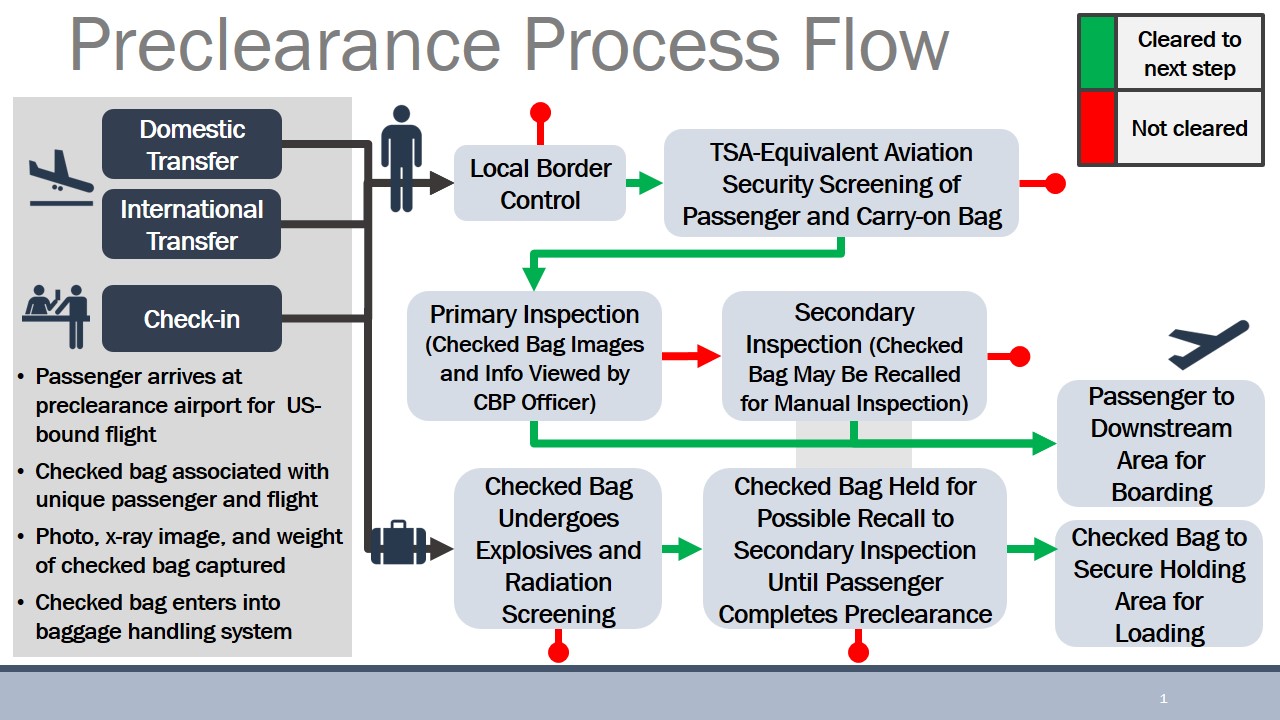
Officers might inspect your luggage or personal items. They look for restricted or undeclared goods. Stay polite and cooperate fully during the search.
Inspections can include opening bags or scanning electronics. Follow their instructions carefully. This step is routine and usually quick.
Credit: www.youtube.com
Handling Restricted And Prohibited Items
Handling restricted and prohibited items is a key step in international customs. Knowing the rules helps avoid delays and fines. Every country has its own list of items that travelers cannot bring in or must declare.
Understanding these rules keeps your travel smooth and stress-free. It also protects you from legal trouble and protects the country’s security and health.
Commonly Restricted Goods
Restricted goods often include food, plants, and animals. Many countries limit the amount of alcohol and tobacco you can bring. Medicines and prescription drugs may need special documents.
Electronics and large amounts of currency sometimes require declaration. Some countries restrict weapons, sharp objects, and certain chemicals. Always check the specific rules before travel.
Declaring Prohibited Items
Declare any prohibited or restricted items when you pass through customs. Honesty is important to avoid problems. If you are unsure about an item, always tell the customs officer.
Failure to declare items can lead to confiscation or worse. Customs officers may inspect your luggage and ask questions. Follow their instructions carefully to avoid delays.
Penalties And Fines
Penalties for carrying illegal items can be severe. Fines can reach thousands of dollars depending on the item and country. Some cases may lead to arrest or deportation.
Confiscation of goods is common for undeclared or prohibited items. Repeat offenses may result in harsher penalties. Being aware of rules helps you stay safe and avoid fines.
Tips For A Smooth Customs Experience
Customs can feel confusing. Following simple tips helps make the process faster and easier. This section shares practical advice for a smooth customs experience. These steps reduce stress and save time.
Preparing In Advance
Gather all travel documents before you reach customs. Have your passport, visa, and customs forms ready. Know the rules about items you can bring into the country. Pack neatly to avoid delays during inspection. Check the customs website of your destination for updates. Planning ahead prevents surprises and keeps the process quick.
Staying Calm And Polite
Customs officers expect respect and cooperation. Speak clearly and answer questions honestly. Stay calm, even if asked many questions. Polite behavior can lead to a smoother process. Avoid arguing or showing frustration. A calm attitude helps officers work efficiently and treat you well.
Using Trusted Traveler Programs
Consider joining trusted traveler programs like Global Entry or TSA PreCheck. These programs speed up customs checks for frequent travelers. Enrollment requires an application and interview but offers faster processing. Use dedicated lanes to save time at busy airports. Trusted traveler status gives peace of mind and less waiting.
Credit: www.cbp.gov

Credit: jettly.com
Frequently Asked Questions
What Documents Are Needed For International Customs Clearance?
You need a valid passport, visa (if required), and a completed customs declaration form. Some countries may require additional permits or certificates depending on the items you carry.
How To Declare Goods At International Customs Properly?
Declare all items that exceed duty-free allowances or are restricted. Be honest and accurate on the customs form to avoid fines or delays.
What Items Are Typically Restricted Or Prohibited By Customs?
Common restrictions include weapons, drugs, fresh food, plants, and large amounts of currency. Check specific country rules before traveling to avoid confiscation.
How Long Does The International Customs Process Usually Take?
Customs processing time varies but generally takes 15 to 30 minutes. Delays may occur if you have items to declare or require additional inspections.
Conclusion
Following customs rules makes your trip smooth and safe. Stay calm and have all documents ready. Answer questions clearly and honestly. Declare items as required to avoid delays or fines. Keep your bags organized and watch for signs. This guide helps you understand each step easily.
Travel with confidence and respect local laws. Enjoy your journey without worries.