Employer-Sponsored Visas Vs. Independent Skilled Migration: Which is Faster? Uncovered
Are you planning to move abroad for work but unsure which visa option will get you there faster? Choosing between employer-sponsored visas and independent skilled migration can feel confusing.
You want a smooth, quick process that fits your goals and timeline. You’ll discover the key differences between these two paths. You’ll learn which one could speed up your move and what to watch out for. Keep reading to find the faster route to your new career and life abroad.
Employer-sponsored Visas
Employer-sponsored visas offer a pathway for skilled workers to move based on a job offer. This type of visa depends on an employer willing to sponsor the applicant. It suits those who have a specific job lined up in the new country. The employer acts as a sponsor and supports the visa application.
This option can speed up the migration process for some applicants. The employer handles part of the paperwork, which can ease the burden on the worker. Employer-sponsored visas often have clear guidelines and requirements.
Types Of Employer-sponsored Visas
Several types of employer-sponsored visas exist. Common ones include temporary and permanent visas. Temporary visas allow work for a limited time. Permanent visas provide a path to stay indefinitely.
Examples include the Temporary Skill Shortage (TSS) visa and Employer Nomination Scheme (ENS) visa. Each has specific rules about job types and skills. The visa type depends on the job and employer sponsorship.
Application Process
The process begins with the employer nominating the applicant. The employer must prove the job position is genuine. They also confirm the applicant’s skills match the role.
After nomination approval, the applicant submits their visa application. Documents like work experience and qualifications are needed. The government reviews both employer and applicant details.
Processing Times
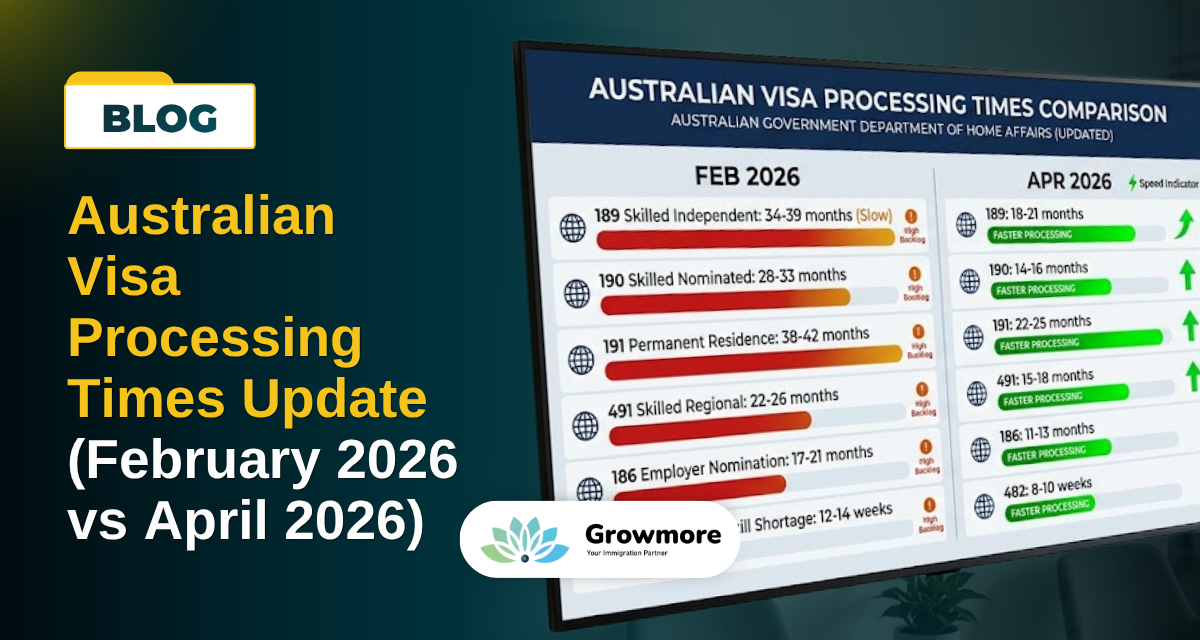
Processing times vary by visa type and applicant’s country. Temporary visas often take a few weeks to several months. Permanent visas usually take longer, sometimes over a year.
Employer sponsorship can reduce delays. The government prioritizes applications with proper employer backing. Still, processing speed depends on the case and workload.
Advantages And Disadvantages
Employer-sponsored visas have clear advantages. They provide job security and a faster route to work. The employer’s support can make approval more likely. These visas may also lead to permanent residency.
Drawbacks include dependency on the employer. Losing the job may affect visa status. The process may require extra documents and employer cooperation. Some visas limit job changes or geographic location.
Credit: www.growmore.one
Independent Skilled Migration
Independent Skilled Migration offers a path for workers with specific skills to move abroad without employer sponsorship. It suits those who want to control their migration process. This option relies on a points-based system to assess eligibility. It targets skilled professionals who can contribute to the economy immediately.
Eligibility Criteria
Applicants must have skills in demand in the target country. Age limits usually apply, often between 18 and 45 years old. English language proficiency is required, with minimum test scores. Educational qualifications and work experience must match the occupation list. Health and character checks are mandatory for all candidates.
Points-based System
The points system awards points for age, education, work experience, and language skills. Extra points may be given for regional study or job offers. Candidates must reach a minimum score to apply. This system ensures only qualified individuals move forward. It makes the process competitive and fair.
Application Steps
First, submit an expression of interest to the immigration department. Next, wait for an invitation to apply for a visa. Then, prepare and lodge the visa application with all documents. Attend medical exams and provide police certificates. Finally, await the visa decision from immigration authorities.
Processing Times
Processing times vary by country and visa subclass. Generally, skilled migration visas take from several months to over a year. Delays occur due to high demand or incomplete applications. Faster processing happens with complete and accurate documents. Applicants should track their application status online regularly.
Comparing Processing Speeds
Comparing the processing speeds of employer-sponsored visas and independent skilled migration is key for many applicants. The time it takes for each visa type can vary a lot. Understanding what affects these timelines helps applicants plan better. Let’s explore the main factors that influence visa processing times.
Factors Affecting Visa Timelines
Visa processing depends on many factors. The type of visa plays a big role. Employer-sponsored visas often need employer approval steps. Independent skilled migration relies on points and skill assessments. The country’s immigration policies also affect speed. Application volume and seasonal changes can cause delays. Each case is unique and timelines can differ.
Typical Wait Periods
Employer-sponsored visas generally process faster. Some take just a few months. This is because employers support and verify the application. Independent skilled migration may take longer. It can take six months or more. Skill assessments and points checks add time. Some applicants wait over a year. Patience is important during this process.
Impact Of Occupation Demand
Occupation demand affects visa speed greatly. High-demand jobs get priority processing. Employer-sponsored visas for these roles move quicker. Skilled migration for in-demand occupations also speeds up. Low-demand occupations face longer wait times. The government focuses on filling urgent skill gaps first. Check the current occupation lists for updates.
Role Of Documentation
Complete and correct documents speed up the process. Missing papers cause delays and requests for more info. Employer-sponsored visas need employer letters and contracts. Skilled migration requires skill assessments and proof of experience. Double-check every document before submitting. Clear and organized paperwork helps visa officers work fast. Preparation reduces waiting time significantly.
Credit: aivesaustralia.com
Cost And Financial Considerations
Cost plays a key role when deciding between employer-sponsored visas and independent skilled migration. Each path involves different fees and financial responsibilities. Understanding these costs helps you plan better and avoid surprises. Let’s explore the main expenses in both options.
Application Fees
Visa application fees vary based on the type of visa. Employer-sponsored visas often have lower fees for the employee. Independent skilled migration may require higher application fees. These fees cover processing and administrative tasks. Some costs increase with family members included in the application.
Employer Sponsorship Costs
Employers pay fees to sponsor a worker. These include sponsorship application fees and training levies. Training levies support local workforce development. Employers may also cover relocation and legal costs. These expenses add to the total cost for employer-sponsored visas.
Additional Expenses
Other costs include medical exams, police checks, and skill assessments. Independent skilled migrants often pay for skills assessments. Employer-sponsored applicants may have fewer extra fees. Migration agents or lawyers charge fees for assistance. Budgeting for these extras is important for both options.
Long-term Benefits
Choosing between employer-sponsored visas and independent skilled migration affects more than just the application speed. It also impacts long-term benefits that shape your life and career. Understanding these benefits helps you pick the best option for your future.
Pathways To Permanent Residency
Employer-sponsored visas often provide a clear path to permanent residency. The sponsoring employer supports your application, making the process smoother. Independent skilled migration also leads to permanent residency but may require more points and self-proving.
With employer sponsorship, you can apply for permanent residency after a few years of work. Skilled migration depends on your occupation and points scored, which can delay the timeline.
Work Flexibility
Independent skilled migration offers more work flexibility. You can change jobs, industries, or locations freely. Employer-sponsored visas tie you to one employer initially. This limits your job options until you gain permanent residency.
Work flexibility helps you adapt to new opportunities. It also lets you explore different career paths without restrictions.
Family Sponsorship Options
Both visa types allow family sponsorship, but timing differs. Employer-sponsored visa holders can often include family members early in the process. Skilled migrants may wait until they gain permanent residency.
Having family with you supports your settlement and happiness. Early family sponsorship can ease the transition to a new country.
Common Challenges
Both employer-sponsored visas and independent skilled migration face common challenges. These challenges can slow down the process and create uncertainty for applicants. Understanding these obstacles helps set realistic expectations.
Delays And Backlogs
Delays and backlogs are common in both visa pathways. Processing times can stretch from months to years. High demand and limited staff cause these delays. Applicants often wait longer than expected. This uncertainty affects planning for work and life.
Employer Limitations
Employers face strict rules when sponsoring workers. They must prove a genuine need for the position. Some jobs do not qualify for sponsorship. Small businesses may struggle with paperwork and costs. These limitations narrow options for many applicants.
Points System Changes
The points system changes often without warning. New rules can lower or raise required scores. Applicants must stay updated on these changes. Sudden adjustments can affect eligibility and timing. This adds stress and confusion to the process.
Tips To Speed Up The Process
Speeding up visa applications saves time and reduces stress. Small steps can make a big difference. Focus on clear preparation and smart choices. Follow simple tips to move your application faster.
Preparing Strong Applications
Complete every form carefully. Double-check for errors and missing details. Attach all required documents. Proofread your application for clarity and accuracy. Strong applications get processed faster. Avoid delays caused by incomplete papers.
Choosing The Right Visa Path
Select the visa that fits your skills and situation best. Employer-sponsored visas can be faster with a job offer. Independent skilled migration may take longer but offers more freedom. Research each option before applying. The right choice avoids unnecessary waiting.
Seeking Professional Advice
Consult immigration experts for guidance. Professionals know current rules and common pitfalls. They help prepare your paperwork correctly. Expert advice reduces errors that cause delays. Invest in advice to save time and effort.

Credit: www.youtube.com
Frequently Asked Questions
What Is An Employer-sponsored Visa?
An employer-sponsored visa requires a job offer from a company. The employer sponsors the visa application. It often speeds up processing compared to independent skilled migration. It ties the visa holder to the sponsoring employer initially.
How Does Independent Skilled Migration Work?
Independent skilled migration allows applicants to apply without employer sponsorship. Points are awarded for skills, age, and experience. Processing times vary based on demand and occupation. Applicants have more flexibility in job choice post-visa grant.
Which Visa Type Is Faster To Obtain?
Employer-sponsored visas are usually faster due to employer support and priority processing. Independent skilled migration can take longer because of points testing and occupation limits. However, times vary by country and occupation demand.
Can I Switch From Independent To Employer-sponsored Visa?
Yes, switching is possible if you get a job offer from a sponsoring employer. The employer must meet sponsorship requirements. Switching can sometimes reduce waiting time for permanent residency. Always check current immigration policies before applying.
Conclusion
Choosing between employer-sponsored visas and independent skilled migration depends on your situation. Employer-sponsored visas often move faster with a job offer in hand. Independent skilled migration can take longer but offers more freedom in job choice. Consider your skills, job market, and timeline carefully.
Each path has clear advantages and challenges. Plan well to reach your migration goals smoothly and quickly.