Do I Need a Transit Visa for a 4-Hour Layover in Major Hub Airports? Find Out Now!
Are you planning a trip with a quick stop at a major hub airport? You might be wondering, “Do I need a transit visa for a 4-hour layover?” It’s a question that can save you from unexpected delays, extra costs, or even missing your connecting flight.
Understanding the rules can be tricky, but knowing what applies to your situation gives you peace of mind and helps your travel go smoothly. Keep reading to find out exactly when you need a transit visa and when you don’t, so you can focus on your journey, not on paperwork.
Transit Visa Basics
Understanding transit visas is important for travelers with short layovers. These visas allow passengers to pass through a country without entering it fully. Knowing the basics helps avoid surprises at the airport during your 4-hour layover.
This section explains what a transit visa is, the types available, and who needs one. It will guide you through the essential information for smooth travel.
What Is A Transit Visa?
A transit visa is a special travel document. It lets passengers stay in a country for a limited time. Usually, it is for travelers who are changing flights. It does not allow a full visit or long stay.
This visa is needed when your layover requires you to leave the airport or pass through immigration. It is different from a tourist visa. Transit visas are often valid for a few hours to a few days.
Types Of Transit Visas
There are several types of transit visas. The most common is the airside transit visa. It allows travelers to stay in the airport’s international zone without entering the country.
Another type is the landside transit visa. It lets passengers pass through the country to catch another flight. This visa may be needed if you collect baggage or change airports during your layover.
Some countries offer electronic transit visas. These can be applied for online before traveling. Others require a paper visa obtained from an embassy or consulate.
Who Needs One?
Not all travelers need a transit visa. It depends on the country and your nationality. Some countries allow visa-free transit for certain passport holders.
If your layover is short and you do not leave the airport, you might not need a visa. But if you pass through immigration or change airports, a transit visa may be required.
Always check the specific rules of the country where you have your layover. Your airline or travel agent can help clarify if a transit visa is necessary.
Credit: www.vietnam-visa.com
Layover Duration And Visa Rules
Layover duration plays a key role in deciding if you need a transit visa. Different airports and countries have distinct rules. Knowing these rules helps avoid travel problems. Your time at the airport and visa requirements often go hand in hand.
Some layovers are short and simple. Others last many hours or even a day. The length of your stay can change your visa needs. Understanding airport transit zones is also important. These zones often determine if you must have a visa.
Short Layovers Vs. Long Layovers
Short layovers usually last under 8 hours. Many airports allow travelers to stay in the transit area without a visa. This means you cannot leave the airport during this time. Long layovers last over 8 hours or more. You might want to leave the airport or change terminals. This can require a transit visa. Always check the rules of your layover country.
Airport Transit Zones Explained
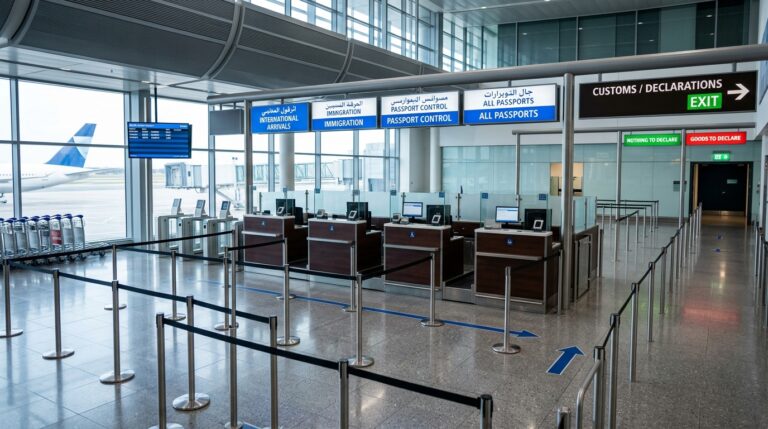
Transit zones are special airport areas. You stay here if you do not pass through immigration. Staying in this zone usually means no visa is needed. If your flight is inside the transit zone, you do not officially enter the country. Leaving this zone means going through immigration and customs. That often requires a visa or special permission.
When Does A Layover Require A Visa?
A layover needs a visa if you leave the transit zone. Changing terminals outside the zone may also need a visa. Some countries require visas for layovers over a set time. Others require a visa if you collect checked luggage. Check your airline and the airport rules. Know the visa rules before you travel to avoid delays.
Visa Policies In Major Hub Airports
Visa policies differ widely among major hub airports worldwide. Knowing these rules helps avoid travel problems during layovers. Each region has unique regulations for transit passengers. Some airports require a visa even for short stops. Others allow passengers to stay airside without one. Understanding these policies is crucial for smooth travel.
United States Hub Airports
Most U.S. airports require a transit visa for layovers. Travelers must clear customs and immigration. This means leaving the secure area. Even a short layover demands a visa or ESTA approval. Exceptions apply only to certain countries under specific programs. Planning ahead is essential to avoid delays.
European Hub Airports
Many European hubs allow transit without a visa. Passengers staying in the international transit area usually do not need one. Schengen Area rules often apply here. However, some national airports may require a transit visa. Checking the specific airport’s policy before travel is wise.
Asian Hub Airports
Asia’s major hubs have mixed policies on transit visas. Some airports like Singapore Changi and Hong Kong allow visa-free layovers. Others require a transit visa even for short stays. Rules depend on your nationality and the airport. Confirming visa needs before traveling prevents surprises.
Middle Eastern Hub Airports
Middle Eastern hubs generally offer visa-free transit for short layovers. Airports in Dubai and Doha often provide easy transit options. Passengers can stay airside without a visa. Some airports offer transit visas on arrival. Checking specific airport rules saves time and hassle.
Factors Affecting Visa Requirements
Transit visa requirements depend on several important factors. These can change based on your travel details and personal documents. Knowing these factors helps you avoid visa issues during a layover. Major hub airports may have different rules for travelers from various countries. Understanding the rules can save time and stress during your trip.
Nationality And Passport Type
Your nationality plays a big role in visa needs. Some countries have agreements that allow transit without a visa. Others require a transit visa even for short stops. The type of passport you hold also matters. Diplomatic and official passports often have different rules. Always check the visa policy for your specific passport.
Airline And Ticketing Rules
Airlines may have their own rules about transit visas. Some require passengers to have a transit visa before boarding. Others might allow transit without one if you stay in the airport’s transit area. Your ticket type can influence this too. A single ticket with connecting flights may have different requirements than separate tickets.
Entry Vs. Transit Procedures
Transit rules vary depending on airport procedures. If you stay inside the airport’s international zone, you may not need a visa. Leaving the transit area, even for a short time, might require one. Some airports require all passengers to pass through customs and immigration. This process can mean a transit visa is necessary.
Tips For Smooth Transit
Transit through major hub airports can be easy with the right preparation. Knowing the rules and steps helps avoid delays and stress. Planning ahead saves time and makes your trip smoother.
Follow these tips to ensure your transit experience is quick and hassle-free.
Checking Visa Requirements Before Travel
Check the visa rules for your transit country well before you travel. Some airports need a transit visa, even for short stops. Use official government websites to find accurate information. Pay attention to your nationality and the airport’s rules. This prevents surprises at the airport.
How To Apply For A Transit Visa
Apply for a transit visa as soon as you confirm your trip. Prepare all required documents like your passport, flight details, and visa application form. Submit your application online or at the embassy. Keep track of processing times to avoid last-minute issues. Carry your approved visa in print or digital form.
Alternatives To Transit Visas
Some airports allow transit without a visa under specific conditions. You might stay in the airport’s international zone without passing through customs. Some countries offer transit visa exemptions for certain nationalities. Check if your route qualifies for these options. This can save time and paperwork during your layover.
Credit: www.chinaeducationaltours.com

Credit: www.eskimo.travel
Frequently Asked Questions
Do I Always Need A Transit Visa For A Short Layover?
Not always. Transit visa requirements vary by country and airport. Some hubs allow visa-free transit under 24 hours if you stay airside. Check the destination’s rules before traveling to avoid surprises.
Can I Leave The Airport During A 4-hour Layover?
Usually not recommended. Four hours is often too short to exit and re-enter the airport. Visa rules and security checks may prevent leaving the transit area. Confirm local transit policies to see if leaving is allowed.
Which Airports Offer Visa-free Transit For Short Layovers?
Major hubs like Amsterdam Schiphol, Dubai, and Singapore Changi often allow visa-free transit under specific conditions. Policies depend on nationality and flight routes. Always verify transit visa rules for your specific airport and passport.
How To Check If I Need A Transit Visa?
Visit the official embassy or consulate website of your transit country. Use government or airline transit visa check tools. These sources provide the most accurate and updated visa requirements for your layover.
Conclusion
A 4-hour layover usually does not require a transit visa. Rules depend on the country and airport. Check official sources before you travel. Some airports allow you to stay airside without a visa. Others may need a visa even for short stays.
Planning ahead can save time and stress. Know the visa rules for your route. This helps avoid surprises during your trip. Stay informed and enjoy smoother travel connections.