The Most Accessible Work Visas for Skilled Professionals Moving Abroad: Top Picks
Are you a skilled professional thinking about moving abroad for better job opportunities? Finding the right work visa can feel confusing and overwhelming.
But it doesn’t have to be. Knowing which visas are the easiest to get can save you time, money, and stress. You’ll discover the most accessible work visas designed specifically for people like you. By the end, you’ll have a clear path to start your new career overseas with confidence.
Keep reading to unlock your future abroad.
Popular Work Visas For Skilled Professionals
Skilled professionals often seek work visas that offer clear paths to employment abroad. Various countries have visa programs designed to attract talent in fields like technology, engineering, healthcare, and finance. These visas balance the need for skilled workers with legal requirements and offer opportunities for long-term residence.
Below are some of the most popular work visas for skilled professionals. Each visa has unique features and requirements, reflecting the host country’s labor market and immigration policies.
H-1b Visa (usa)
The H-1B visa allows U.S. employers to hire foreign workers in specialty occupations. It requires a job offer and a bachelor’s degree or higher. The visa lasts up to three years and can be extended to six years. Many tech and engineering professionals use the H-1B visa to work in the United States.
Skilled Worker Visa (uk)
The Skilled Worker visa replaced the Tier 2 visa in the UK. It lets workers join a UK company with a sponsorship certificate. Applicants must meet salary and skill level criteria. The visa allows work for up to five years and can lead to permanent residency.
Temporary Skill Shortage Visa (australia)
This visa targets skilled workers to fill temporary labor shortages in Australia. Employers must sponsor applicants for occupations on the Skilled Occupation List. The visa can last from one to four years. It offers a chance to apply for permanent residence after working in Australia.
Blue Card (european Union)
The EU Blue Card allows highly skilled non-EU workers to live and work in member countries. Applicants need a job offer with a salary above a set threshold. The card is valid for one to four years and promotes mobility within the EU. It is popular among IT and engineering professionals.
Canada Skilled Worker Program
This program targets immigrants with skills that meet Canadian labor needs. It uses a points-based system to evaluate education, work experience, and language skills. Successful applicants receive permanent residence, allowing them to live and work anywhere in Canada.
Eligibility Criteria For Top Visas
Understanding the eligibility criteria is key for skilled professionals applying for work visas abroad. Each visa type has specific rules. These rules help determine who can apply and what documents they need. Meeting these requirements increases the chance of approval.
These criteria often focus on education, skills, work experience, language, and job offers. Knowing these details helps applicants prepare better and avoid mistakes. This section breaks down the main eligibility factors for top work visas.
Educational And Professional Requirements
Most work visas require a minimum level of education. This often means a bachelor’s degree or higher. Some visas accept diplomas or certificates in specialized fields. Professional licenses or certifications may also be necessary. These prove your expertise in the chosen profession.
Work Experience And Skill Levels
Visa programs often demand relevant work experience. The required years vary by country and visa type. Skilled professions usually need two to five years of experience. Higher skill levels can improve your chances. Some visas use a points system based on skills and experience.
Language Proficiency
Language ability is essential for many visas. English is the most common language tested. Some countries accept tests like IELTS or TOEFL. Other nations require proficiency in their official language. Meeting the language standards ensures better communication at work.
Job Offer Necessity
Certain visas require a job offer from an employer abroad. The offer must match your skills and qualifications. It shows there is a real need for your work. Other visas allow applications without a job offer. These focus on your skills and potential to find work.
Application Process And Timeline
Applying for a work visa can feel like a big step. Knowing the process helps reduce stress and avoid mistakes. Each country has rules about what papers you need and how long it takes. Understanding these rules speeds up your application.
Document Preparation
Start by gathering all required documents. These usually include your passport, job offer letter, and proof of skills. Some countries ask for police checks or health exams. Check each requirement carefully to avoid delays.
Submission Procedures
Submit your application online or at a visa office. Follow instructions exactly. Include all forms and fees. Missing papers can cause your application to be rejected or delayed.
Processing Times
Processing times vary by country and visa type. Some take a few weeks, others months. Track your application status online if possible. Plan your move date based on these times.
Common Challenges
Common issues include missing documents and unclear forms. Language barriers can cause mistakes. Double-check everything before submitting. Contact visa support if you need help.

Credit: iasservices.org.uk
Benefits Of Each Visa Type
Each work visa type offers unique benefits for skilled professionals moving abroad. Understanding these benefits helps in choosing the right visa. The advantages often include a clear path to stay longer, options for family, flexibility in work, and access to social services. These factors make the move smoother and more secure.
Pathway To Permanent Residency
Many work visas provide a clear route to permanent residency. This means skilled workers can live and work in the country long term. Permanent residency offers job security and rights similar to citizens. Some visas allow applying for residency after a few years of work. This benefit is vital for those planning to settle abroad.
Family Sponsorship Options
Several visas allow workers to bring family members. This includes spouses and children. Family sponsorship helps keep loved ones close during relocation. It also offers stability for families starting life abroad. The option to sponsor family members reduces stress and isolation.
Work Flexibility
Work visas often provide flexibility in job roles and employers. Skilled professionals can change jobs without losing their visa status. Some visas allow part-time or freelance work as well. This flexibility supports career growth and work-life balance. It also helps adapt to new job markets easily.
Access To Social Services
Many visas grant access to social services like healthcare and education. This support improves quality of life in a new country. Access to social services protects workers and their families. It ensures help is available in case of illness or emergencies. This benefit adds peace of mind during the transition.
Cost And Fees Breakdown
Understanding the costs and fees is important for skilled professionals moving abroad. These expenses vary by country and visa type. Knowing the breakdown helps you plan your budget better. It also avoids surprises during the application process.
Application Fees
Application fees are the official charges to apply for a work visa. These fees differ widely depending on the destination country. Some countries charge a fixed fee, while others use a sliding scale based on visa duration. Typically, fees range from $100 to $500. Pay attention to whether fees are refundable or not.
Legal And Consultancy Costs
Many applicants hire lawyers or consultants to help with paperwork. These services cost extra but can reduce mistakes and delays. Legal fees vary depending on the complexity of the case. Expect to pay between $500 and $2,000 for professional help. Always verify the credentials of the consultant or lawyer.
Additional Expenses
Other costs include medical exams, document translations, and travel fees. Medical tests are often mandatory and can cost $100 to $300. Translations may be required for official papers, costing $20 to $50 per page. Some countries also require biometric data collection, which may add extra fees. Planning for these helps avoid last-minute spending.

Credit: www.internationalinsurance.com
Tips For Increasing Visa Approval Chances
Increasing your chances of visa approval is key to moving abroad smoothly. Simple steps can make a big difference. Focus on clear preparation and understanding the process well. This helps avoid delays and rejection.
Proper Documentation
Gather all required documents carefully. Include passports, job offers, and educational certificates. Check each document for accuracy and completeness. Missing or wrong papers can cause delays or denial. Keep copies and organize them neatly. This shows your application is trustworthy.
Choosing The Right Visa Category
Select the visa that best fits your skills and job. Different countries have various visa types for professionals. Read the rules for each category carefully. Picking the wrong visa wastes time and resources. Match your qualifications with the visa requirements exactly.
Seeking Professional Assistance
Consider help from immigration experts or lawyers. They know the latest rules and processes. Experts can spot mistakes early and guide you clearly. Their advice can save time and stress. Choose professionals with good reviews and experience in your destination country.
Emerging Trends In Skilled Work Visas
Skilled professionals moving abroad face evolving visa options. New trends reshape how countries welcome talent. These changes make it easier to work internationally.
Understanding these trends helps in choosing the best visa path. It also highlights opportunities beyond traditional work permits. Let’s explore the most notable shifts in skilled work visas today.
Digital Nomad And Remote Work Visas
Many countries now offer visas for digital nomads. These allow remote workers to live and work legally abroad. The visas usually last from six months to two years.
Remote work visas appeal to IT experts, consultants, and freelancers. They provide freedom without strict employer sponsorship rules. This trend supports flexible work lifestyles and global talent flow.
Post-pandemic Visa Policy Changes
The pandemic changed global visa policies significantly. Countries simplified rules to attract skilled workers quickly. Some reduced paperwork and sped up approval times.
There is a stronger focus on health and safety compliance. Visa extensions and new categories emerged to support essential workers. These adjustments continue to affect skilled visa options.
Country-specific Incentives
Several countries offer special incentives for skilled professionals. These include tax breaks, faster residency, and family benefits. Incentives vary widely depending on the country’s needs.
For example, some nations target tech workers with extra perks. Others focus on healthcare professionals or engineers. Knowing these incentives helps applicants choose the best destination.
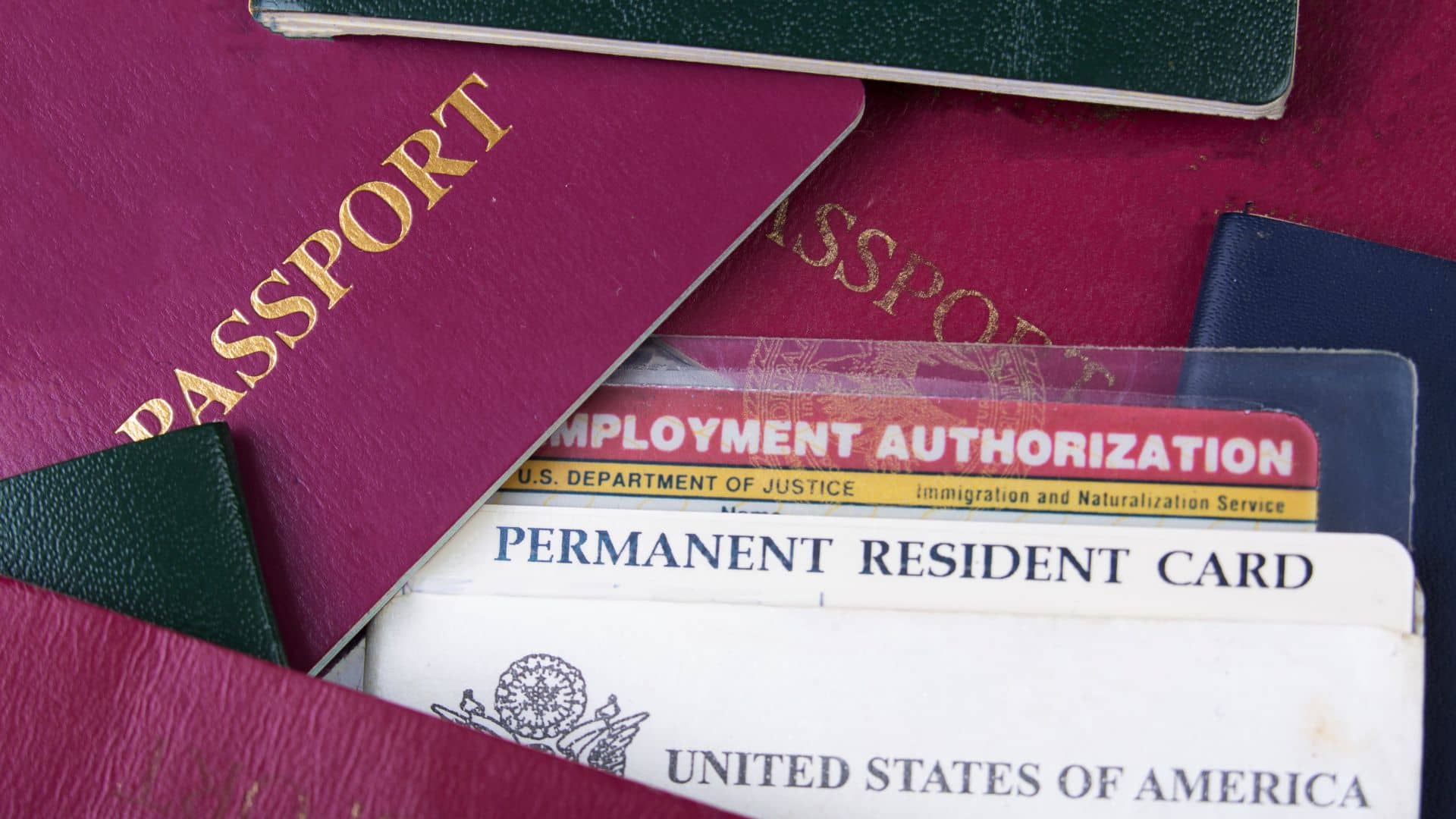
Credit: visa-makuhari.com
Frequently Asked Questions
What Are The Easiest Work Visas For Skilled Professionals?
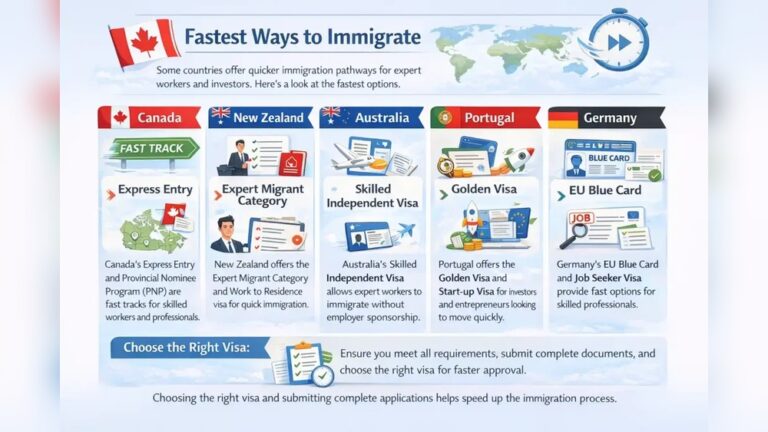
The easiest work visas often include those with streamlined application processes. Examples are Canada’s Express Entry, Australia’s Skilled Independent Visa, and Germany’s EU Blue Card. These visas prioritize skilled workers and have clear eligibility criteria, making the process faster and more accessible for qualified professionals.
Which Countries Offer The Most Accessible Skilled Work Visas?
Countries like Canada, Australia, Germany, and New Zealand offer the most accessible skilled work visas. They provide points-based systems and employer sponsorships, simplifying visa approval. These countries actively seek skilled workers to fill labor shortages, increasing chances for professionals to move abroad.
How Long Does It Take To Get A Skilled Work Visa?
Processing times vary by country and visa type but usually range from 1 to 6 months. Some countries offer expedited processing for urgent cases. Preparing complete documentation and meeting eligibility criteria can reduce waiting periods significantly.
Can Family Members Accompany Skilled Visa Holders?
Yes, most skilled work visas allow immediate family members to accompany the visa holder. Spouses often gain work rights, and children can attend school. This makes relocation easier for skilled professionals moving abroad with their families.
Conclusion
Skilled professionals have many visa options to choose from. Each country offers different paths to work abroad. Research the visa rules carefully before applying. Choose the visa that matches your skills and goals. Prepare your documents well to avoid delays.
Moving abroad can open new career opportunities. Stay patient and follow the process step-by-step. Your dream job in a new country is possible. Take action today to start your journey.