Esim Vs Local Sim Card: Which is Best for Travel? Ultimate Guide
Traveling soon and wondering how to stay connected without breaking the bank? You’ve probably heard about eSIMs and local SIM cards, but which one truly fits your travel style?
Choosing the right option can save you money, avoid headaches, and keep you online wherever you go. You’ll discover the key differences between eSIMs and local SIM cards, so you can make the smartest choice for your next trip. Keep reading—your perfect travel connection is closer than you think.
What Is An Esim?
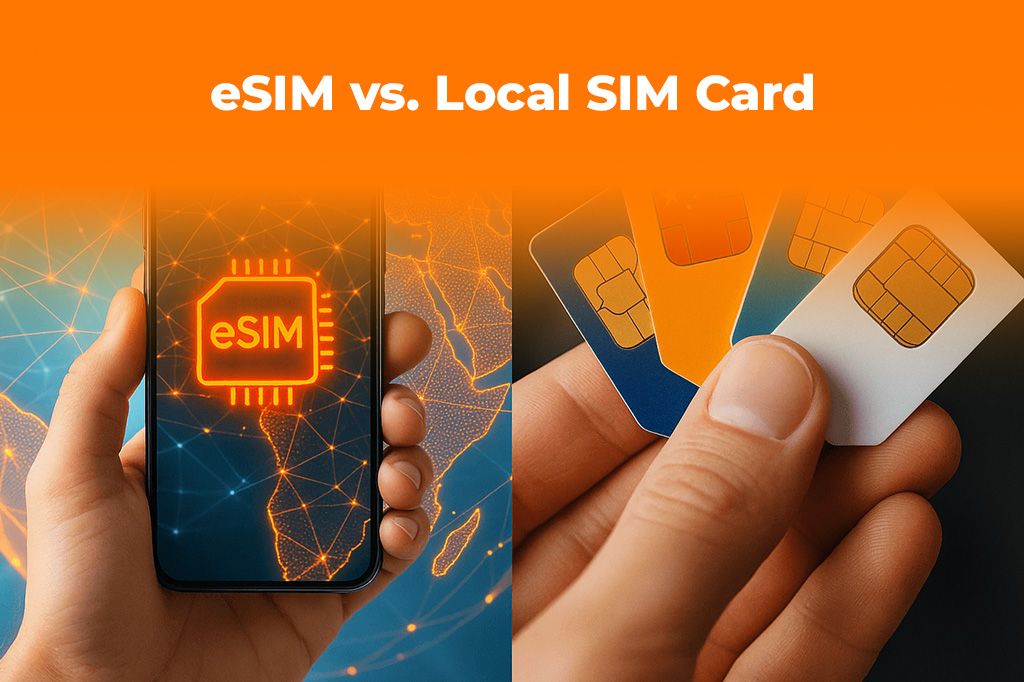
An eSIM is a digital SIM card embedded in your device. It does not require a physical SIM card to connect to a mobile network. The eSIM stores your mobile data and carrier information electronically. This technology offers flexibility, especially for travelers who need quick network changes.
Unlike traditional SIM cards, eSIMs allow you to switch carriers without swapping cards. You can download multiple profiles and activate them as needed. This makes managing phone plans simpler and faster.
How Esim Works
The eSIM is built into the device’s hardware. It connects to a mobile network using software. You scan a QR code or enter details from a carrier to activate it. The eSIM downloads the carrier profile directly to your device. This process removes the need for a physical card. You can switch between profiles with just a few taps. The eSIM keeps your information safe and secure.
Devices Compatible With Esim
Many modern smartphones support eSIM technology. Most recent Apple iPhones, like the iPhone XR and later, include eSIMs. Some Android phones, such as Google Pixel 3 and newer, also support eSIM. Tablets like the iPad Pro and some smartwatches offer eSIM capabilities. Check your device’s settings or manual to see if it supports eSIM. This feature is becoming more common in new devices worldwide.

Credit: www.traveltomtom.net
What Is A Local Sim Card?
A local SIM card is a small chip used in mobile phones. It connects your phone to a local mobile network. This lets you make calls, send texts, and use mobile data in the country you visit. Local SIM cards help travelers avoid high roaming fees from their home carriers.
They usually come with a local phone number and data plan. You can use them just like you do with your regular SIM card at home. Local SIM cards provide better coverage and faster internet speeds in the country you visit.
How Local Sim Cards Function
Local SIM cards store your phone number and connect your device to the local network. They allow access to local mobile services like calls, texts, and internet. Your phone must be unlocked to use a local SIM card. Once inserted, your phone uses the local SIM for all mobile functions. This avoids roaming charges from your original carrier.
Where To Buy Local Sim Cards
You can buy local SIM cards at airports, mobile stores, and convenience shops. Airports often have SIM kiosks right after customs. Mobile network shops provide SIM cards and help with setup. Some convenience stores also sell prepaid SIMs. Buying a local SIM card is usually quick and easy.
Cost Comparison
Travelers often worry about the cost of staying connected abroad. Choosing between an eSIM and a local SIM card can affect your budget. Understanding the price differences helps you pick the best option. Let’s explore the cost factors of both choices.
Pricing Of Esim Plans
eSIM plans usually offer flexible pricing based on data use. You can buy small or large data packages depending on your needs. Many providers sell plans online before you travel. This saves time and avoids extra charges at the airport.
Prices for eSIMs vary by country and provider. Some plans start as low as $5 for a few days. Others offer monthly plans costing around $30 to $50 with more data. eSIMs often include taxes and fees in the price. No extra cost for SIM card shipping or activation.
Pricing Of Local Sim Cards
Local SIM cards generally have a low upfront cost. You can buy one for $1 to $10 depending on the country. These cards often come with a small data bundle. You may need to top up or buy a bigger plan later.
Top-up prices vary widely. Some places offer cheap data add-ons for $5 to $20. Local SIMs may have hidden fees for activation or SIM registration. You might pay extra for phone number setup or roaming. Buying a local SIM requires finding a store and dealing with local rules.
Convenience And Accessibility
Choosing between an eSIM and a local SIM card affects how easily you use your phone while traveling. Convenience and accessibility matter most when staying connected abroad. Both options have different steps and challenges. Understanding these helps you pick the best choice.
Activating An Esim
An eSIM is a digital SIM built into your phone. No need to insert a physical card. Activation happens by scanning a QR code or entering a code from your carrier. This process can be done before or during your trip. It takes only a few minutes and no store visit is required.
eSIM activation works well for travelers who want quick setup. You can switch plans without changing cards. But, not all phones support eSIM, so check compatibility first. Also, some countries or carriers may limit eSIM use.
Getting A Local Sim Card Abroad
Buying a local SIM card means visiting a store or kiosk in the foreign country. You often need to show your passport to register. The staff will help insert the SIM or give instructions. This process may take longer and require waiting in line.
Local SIM cards provide strong local network access. They usually offer better rates for calls and data. Yet, finding the right SIM and understanding the plan can be confusing. Language barriers might slow the process. Still, local SIM cards are useful for longer stays or heavy data use.
Coverage And Network Quality
Coverage and network quality are vital for staying connected during travel. Reliable service ensures smooth calls, fast internet, and easy navigation. Both eSIMs and local SIM cards offer different options in this area. Understanding their network reach helps pick the best choice.
Esim Network Options
eSIMs support multiple carriers without changing the card. This means travelers can select from many network providers worldwide. Some eSIM providers partner with top carriers for wide coverage. Signal strength depends on the local network the eSIM connects to. In cities, coverage is usually strong. Rural areas might have weaker signals depending on the carrier.
Local Sim Card Coverage
Local SIM cards use a specific carrier in the country visited. Coverage often matches what residents experience. Local carriers usually offer better signal in remote places. Network quality varies by carrier and location. Choosing a trusted local SIM brand improves connection reliability. Local SIMs may provide faster data speeds within their network zones.
Security And Privacy
Security and privacy are important when traveling with mobile devices. Both eSIMs and local SIM cards have different safety features and risks. Understanding these can help you protect your personal information and avoid trouble abroad.
Security Features Of Esim
eSIMs store your mobile data securely inside your phone. They are harder to steal or clone than physical SIM cards. Activation requires a digital process that includes encryption. This reduces the chance of fraud or hacking. eSIMs also let you switch carriers without swapping cards. This keeps your information safer from physical loss or theft. Remote management allows updates and security patches quickly.
Risks With Local Sim Cards
Local SIM cards are physical and can be lost or stolen easily. Someone with your SIM card can access your calls and messages. SIM swapping scams happen when attackers trick your carrier to steal your number. Local SIMs might not always get timely security updates. Using unknown or cheap SIM cards increases the risk of malware or spying. Some countries require personal information to buy a SIM, which can affect privacy.
Flexibility And Usage
Travelers need flexible and easy ways to stay connected. Choosing between an eSIM and a local SIM card affects how you use your phone abroad. Flexibility and usage are key factors. They shape your experience and convenience during travel.
Switching Between Carriers With Esim
An eSIM allows quick changes between carriers without swapping cards. You can download profiles from different providers directly to your phone. This means you can pick the best plan for each destination. Switching does not require visiting a store or waiting for a new SIM. It saves time and effort while traveling across countries. Many phones support multiple eSIM profiles, making it easy to manage several plans. This feature suits travelers who visit many places or stay for short times.
Limitations Of Local Sim Cards
Local SIM cards need physical swapping to change networks. You must buy a new SIM for each country or carrier. This can be slow and inconvenient, especially in busy airports or unfamiliar places. Some phones only work with one SIM at a time, limiting multitasking. Losing or damaging a local SIM can disrupt your connection. Also, some local SIMs require ID registration, which may cause delays. Local SIM cards often lack the flexibility that eSIMs offer for quick carrier changes.
Travel Scenarios And Recommendations
Choosing between an eSIM and a local SIM card depends on your travel style. Different trips need different solutions. The right choice saves money and keeps you connected. Here are some travel scenarios and what works best in each case.
Short Trips And Business Travel
For short trips, eSIMs offer quick setup. No need to find a local store. You can buy and activate online before you land. It saves time at the airport. Ideal for business travelers with tight schedules.
eSIMs also let you keep your home number active. You can receive calls and messages easily. Data plans are flexible for brief stays. They avoid the hassle of swapping physical SIM cards.
Local SIM cards work well too. If you want cheaper local rates, buying a SIM on arrival is easy. Good for travelers who don’t mind extra steps. Sometimes local SIMs offer better data deals.
Long-term Travel And Expats
Long-term travelers and expats need stable, affordable plans. Local SIM cards often offer better prices for heavy data use. They work well for daily internet, calls, and texts.
eSIMs provide flexibility but can be costly over time. Some providers charge more for extended plans. Switching between countries with eSIMs is simple but may add fees.
Local SIM cards also give better network coverage in rural areas. Expats living in one place benefit from local customer support. This helps solve issues faster and easier.
Troubleshooting And Support
Traveling with a mobile connection can bring some challenges. Troubleshooting and support are important for smooth communication. Both eSIMs and local SIM cards might face issues. Knowing how to fix problems saves time and stress. Support options vary between eSIM providers and local SIM sellers. Understanding common problems helps you decide which option suits you best.
Common Esim Issues
Activation can fail if the QR code is unreadable. Network settings might not update automatically. Some phones do not support eSIM or need updates. Data plans may not activate right away. Switching between profiles can cause temporary loss of service. Carrier restrictions might limit eSIM use abroad. Customer support is usually online, which can delay help.
Dealing With Local Sim Problems
SIM cards can be lost or damaged easily. Activation often requires ID or registration. Coverage may vary widely by location. Some phones are locked to original carriers. Local stores provide face-to-face help. Language barriers can make support difficult. Reloading credit or data may require specific apps or steps. SIM cards might not work with dual-SIM phones without settings change.

Credit: blog.mobilesim.com
Credit: yohomobile.com
Frequently Asked Questions
What Is The Main Difference Between Esim And Local Sim Cards?
An eSIM is a digital SIM embedded in your device. A local SIM card is a physical card bought locally. ESIMs offer instant activation, while local SIMs require manual purchase and insertion.
Are Esims Cheaper Than Local Sim Cards For Travelers?
ESIMs can be cost-effective for short trips with multiple destinations. Local SIM cards may offer better rates for long stays. Pricing varies by provider and country, so compare plans before deciding.
Can I Use An Esim And Local Sim Simultaneously?
Many modern phones support dual SIM functionality, allowing one eSIM and one physical SIM. This lets travelers use both plans at once for convenience and cost savings.
How Easy Is It To Activate An Esim While Traveling?
Activating an eSIM is quick and contactless. You usually scan a QR code or download a profile. No need to visit a store or swap cards physically.
Conclusion
Choosing between an eSIM and a local SIM card depends on your travel needs. ESIMs offer easy switching and no physical cards. Local SIM cards can be cheaper and provide strong local coverage. Think about your trip length, phone compatibility, and budget.
Both options keep you connected abroad. Pick the one that fits your plans best. Safe travels!