How to Get Over Jet Lag Quickly: Expert Tips for Fast Recovery
You’ve just landed after a long flight, but instead of feeling excited, you’re stuck battling tiredness, headaches, and a foggy mind. Jet lag can turn your trip into a struggle, making it hard to enjoy every moment.
But what if you could bounce back faster and feel like yourself again sooner? You’ll discover simple, effective ways to beat jet lag quickly. Whether you’re traveling for work or pleasure, these tips will help you reset your body clock and get back on track.
Keep reading—your best trip moments are just around the corner.
Causes Of Jet Lag
Jet lag happens after long flights across several time zones. It disturbs your body’s natural schedule. Understanding what causes jet lag helps you deal with it faster.
Flying far away changes your local time quickly. Your body needs time to adjust to this new schedule. This mismatch causes tiredness and other symptoms.
Impact Of Time Zone Changes
Crossing multiple time zones shifts your day and night cycle. Your brain gets confused about when to sleep and eat. This confusion leads to sleep problems and fatigue. The more zones crossed, the stronger the jet lag effect.
Effects On The Body Clock
Your body clock, or circadian rhythm, controls sleep and wake times. It depends on light and dark signals to stay on track. Rapid time changes disrupt this rhythm. This causes trouble sleeping, low energy, and poor concentration.

Credit: www.mommytravels.net
Symptoms To Watch For
Jet lag affects people in many ways. Knowing its symptoms helps you act fast. Spotting signs early can ease discomfort. Watch your body and mind closely after travel.
Physical Signs
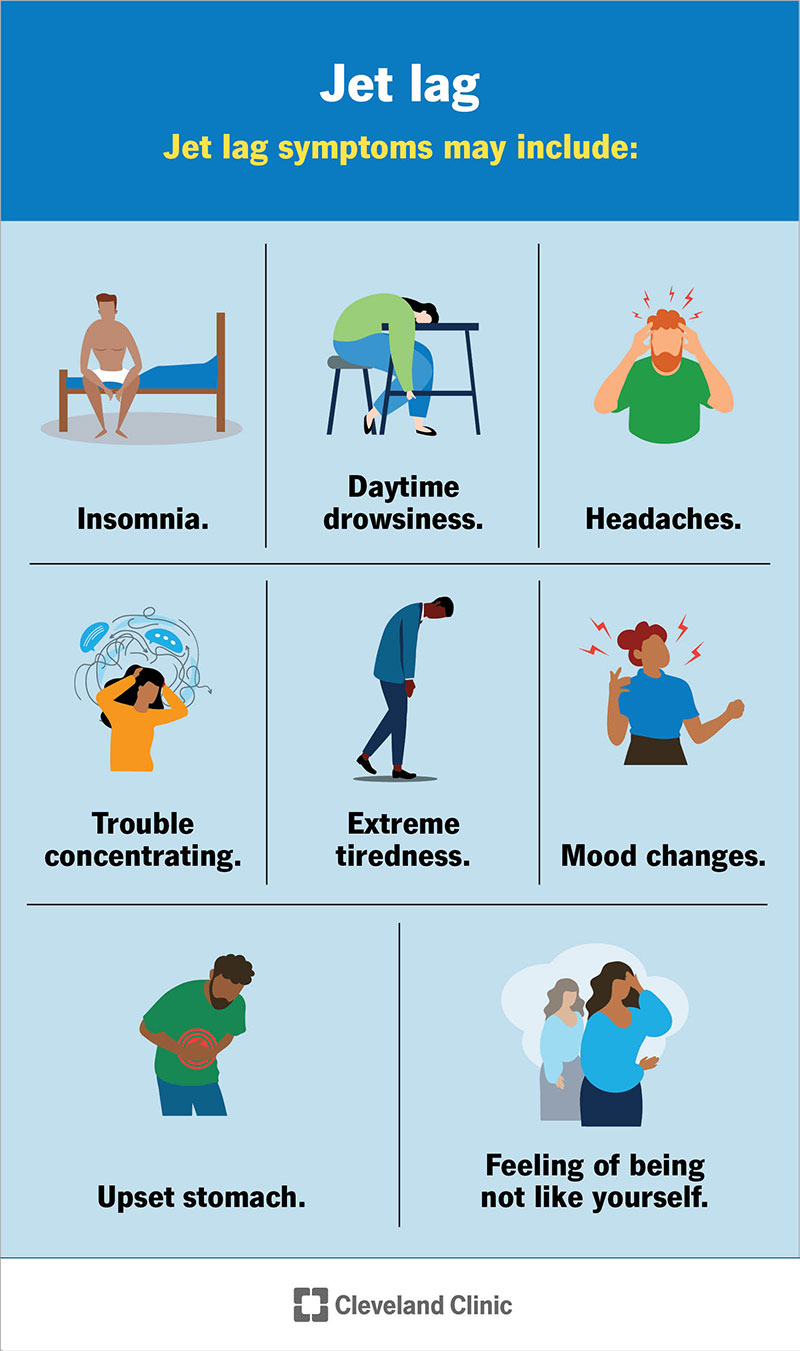
Feeling tired even after rest is common. Muscle aches and headaches might appear. Your stomach may feel upset or queasy. Sleep problems like waking up too early occur. Your energy levels often drop during the day.
Mental And Emotional Effects
Concentration becomes hard and thoughts feel slow. You might feel more irritable or moody. Memory can seem fuzzy or unreliable. Anxiety or stress might increase without clear reason. Mood swings happen more often than usual.
Pre-travel Preparations
Preparing for your trip can reduce jet lag significantly. Simple steps taken before travel help your body adjust faster. Start these preparations several days before your flight. They ease the transition to a new time zone. This section explains easy ways to prepare.
Adjusting Sleep Schedule
Change your sleep time gradually. Shift your bedtime by 30 to 60 minutes daily. Move it closer to the destination’s time zone. This helps your body clock adjust early. Avoid staying up too late or sleeping in. Consistent sleep time is key to success.
Planning Flight Times
Choose flights that arrive in the evening. This lets you sleep soon after landing. Avoid early morning arrivals that disrupt your sleep. Night flights help your body sync with new time. Also, try to get rest during the flight. Bring a neck pillow and eye mask for comfort.
During The Flight
During a flight, your body starts adjusting to the new time zone. Taking care of yourself while in the air helps reduce jet lag. Simple habits on the plane can make a big difference.
Staying Hydrated
Airplane cabins have dry air that dehydrates your body fast. Drink plenty of water throughout the flight. Avoid alcohol and caffeine as they cause dehydration. Bring a reusable water bottle and fill it often. Staying hydrated keeps your energy up and helps your body adjust.
Managing Sleep On The Plane
Try to sleep according to your destination’s time zone. Use eye masks and earplugs to block light and noise. Lean back and use a neck pillow for comfort. Avoid bright screens before trying to rest. Even short naps can help reset your body clock.
Post-arrival Strategies
Adjusting quickly after a long flight is key to beating jet lag. Post-arrival strategies help reset your body’s internal clock. These steps make your transition smoother and reduce tiredness. Focus on your surroundings and routines to adapt faster.
Light Exposure Techniques
Light controls your body’s sleep-wake cycle. Spend time outside during daylight. Morning sunlight helps you wake up early. Evening light can delay sleep, so avoid it late. Use natural light to guide your body clock. If sunlight is limited, try a light therapy lamp. Keep your eyes open and face the light for best results.
Meal Timing And Choices
Eat meals according to the new time zone. This signals your body about the new schedule. Avoid heavy or sugary foods that cause fatigue. Choose light, balanced meals with protein and vegetables. Drink water to stay hydrated and alert. Skip caffeine late in the day to help sleep come easier. Regular meal timing supports your body’s adjustment.
Credit: my.clevelandclinic.org
Sleep Hygiene Tips
Good sleep habits help your body adjust faster after travel. Sleep hygiene means habits that improve your sleep quality. Follow these tips to reduce jet lag effects and feel refreshed.
Creating A Restful Environment
Make your bedroom quiet and dark. Use blackout curtains or a sleep mask to block light. Lower the room temperature to around 65°F (18°C). Use earplugs or white noise to drown out sounds. Keep your bed comfortable with clean sheets and pillows. Avoid screens and bright lights before bedtime. These steps help your mind and body relax for better sleep.
Avoiding Stimulants
Cut down on caffeine, nicotine, and other stimulants several hours before sleep. These keep your brain awake and delay rest. Limit alcohol as it disrupts sleep cycles. Choose herbal teas or warm milk instead. Stay hydrated but reduce fluids close to bedtime to avoid waking up. Avoid heavy meals late at night. These actions support deeper, uninterrupted sleep to fight jet lag.
Use Of Supplements And Medication
Traveling across time zones can disrupt your body’s internal clock. Supplements and medication may help reset this clock faster. They can reduce tiredness and improve sleep quality. Use these aids carefully and follow the right timing.
Melatonin Benefits And Usage
Melatonin is a hormone that controls sleep-wake cycles. Taking melatonin supplements can signal your body to prepare for sleep. This helps adjust your internal clock to the new time zone.
Take melatonin 30 to 60 minutes before bedtime at your destination. Start with a low dose, usually 0.5 to 3 mg. Avoid taking it during the day to prevent sleepiness.
Melatonin works best for eastward travel, where you need to fall asleep earlier. It can reduce jet lag symptoms like insomnia and daytime fatigue.
When To Consider Medication
Sometimes, supplements are not enough. Prescription medications may help with severe jet lag symptoms. Doctors may recommend short-term use of sleep aids or stimulants.
Use medication only under medical advice. These drugs can have side effects or cause dependency. They work best when combined with good sleep habits and light exposure.
Medications can help during important events or work after travel. Avoid relying on them for every trip. Try natural methods first, then consult a healthcare provider if needed.
Lifestyle Adjustments
Adjusting your lifestyle can help you recover from jet lag faster. Simple changes to your daily routine support your body’s clock. They help you feel better and more alert after travel. Focus on exercise and stress reduction to improve your recovery.
Exercise And Activity
Moving your body helps reset your internal clock. Light exercise like walking or stretching boosts energy. Try to be active during daylight hours. Avoid heavy workouts close to bedtime. Exercise improves sleep quality and reduces tiredness. A short walk outside exposes you to natural light. This helps your brain adjust to the new time zone.
Stress Reduction Methods
Stress makes jet lag worse and slows recovery. Practice deep breathing to calm your mind. Try meditation or gentle yoga to relax your body. Avoid caffeine and alcohol as they increase stress. Create a quiet, dark space for rest. Use calming sounds or white noise if needed. Lowering stress helps your body heal and adapt faster.
Long-term Jet Lag Solutions
Long-term jet lag solutions help your body adjust better over time. These methods focus on steady habits and smart travel choices. They reduce the impact of crossing time zones often. Adopting these habits can make future trips easier to handle.
Consistent Sleep Patterns
Keep your sleep schedule regular every day. Go to bed and wake up at the same time. This consistency helps reset your body’s internal clock. Avoid staying up late or sleeping in on weekends. Consistent sleep habits prepare your body for time changes.
Try to get enough sleep before traveling. Rested bodies adjust faster to new time zones. After travel, return to your usual sleep schedule quickly. This helps your body recover and feel better.
Travel Frequency And Recovery
Frequent travelers need extra care to beat jet lag. Space out trips when possible to allow full recovery. Use rest days after long flights to recharge. Avoid back-to-back trips that disrupt your body clock.
Plan trips to reduce time zone jumps. Shorter shifts in time zones cause less jet lag. If traveling often, practice healthy habits between trips. This helps maintain energy and reduces fatigue.

Credit: snugl.co
Frequently Asked Questions
What Are The Fastest Ways To Beat Jet Lag?
The fastest ways to beat jet lag include adjusting your sleep schedule before travel, staying hydrated, and spending time in natural sunlight. Avoid caffeine and alcohol close to bedtime. Light exercise and short naps can also help reset your internal clock quickly.
How Long Does Jet Lag Usually Last?
Jet lag typically lasts from a few days up to one week. The duration depends on the number of time zones crossed and individual factors like age and health. Generally, your body adjusts about one day per time zone crossed.
Can Eating Habits Reduce Jet Lag Symptoms?
Yes, eating light, balanced meals at local meal times helps reset your body clock. Avoid heavy or fatty foods during travel. Staying hydrated and consuming foods rich in protein and complex carbs can reduce fatigue and improve energy.
Is Sunlight Exposure Effective Against Jet Lag?
Exposure to natural sunlight is one of the most effective ways to reduce jet lag. Sunlight helps regulate your body’s internal clock by boosting melatonin production. Aim for 30 to 60 minutes of outdoor light during morning or afternoon hours.
Conclusion
Be patient as your body adjusts to new time zones. Stick to a sleep schedule that matches the local time. Drink plenty of water to stay hydrated and avoid caffeine late in the day. Spend time outside in natural light to help reset your internal clock.
Eat light meals and avoid heavy food close to bedtime. Rest when you feel tired but try not to nap too long. Following these simple steps helps you feel better faster. Travel should be enjoyable, not exhausting. You can beat jet lag and enjoy your trip fully.

![How to Travel [Country Name] on a Budget](https://probashifly.com/wp-content/uploads/2026/06/how-to-travel-country-name-on-a-budget-768x432.jpg)