What is a Layover And How Does It Work? : Ultimate Travel Guide
Have you ever wondered what exactly a layover is and how it affects your travel plans? Whether you’re booking a flight for a vacation or a business trip, understanding layovers can make your journey smoother and less stressful.
You’ll discover what a layover really means, why it happens, and how you can make the most of that extra time between flights. Keep reading—you might just find tips that save you time, money, and frustration on your next trip.
Layover Basics
Understanding layovers is important for travelers. These breaks happen between flights and affect your travel time. Knowing the basics helps you plan better and avoid confusion during your trip.
This section covers what a layover is, how it differs from a stopover, and why layovers happen.
Definition Of A Layover
A layover is a short wait at an airport between two flights. It usually lasts less than 24 hours. During this time, passengers stay inside the airport before boarding the next plane.
Layovers give travelers time to change planes or airlines. They are common on long trips with multiple stops.
Layover Vs. Stopover
A layover is shorter than a stopover. Stopovers last longer than 24 hours. Travelers may leave the airport during a stopover.
Stopovers allow time to explore the city or rest. Airlines often offer stopovers on long international flights. Knowing the difference helps with trip planning and booking.
Common Reasons For Layovers
Layovers happen for several reasons. Airlines do not always offer direct flights. Connecting flights through hubs reduce travel costs.
Some airports serve as major hubs for many airlines. Passengers switch planes here to reach smaller destinations. Flight schedules and routes also create layover needs.
Types Of Layovers
Layovers vary by length and purpose. Each type affects your travel differently. Knowing the types helps you prepare better for your trip.
Short Layovers
Short layovers last less than two hours. They give just enough time to switch planes. Passengers must move quickly between gates. Airlines plan short layovers to keep flights on schedule.
Long Layovers
Long layovers last from two to six hours. They allow time to relax or eat at the airport. Some travelers use this time to explore nearby areas. Long layovers reduce stress during tight travel connections.
Overnight Layovers
Overnight layovers happen when flights are far apart. Travelers often leave the airport to rest in hotels. It can be a chance to see a new city briefly. Overnight layovers require more planning for accommodation and transport.
Booking Flights With Layovers
Booking flights with layovers can save money and open new travel opportunities. It also lets travelers rest between long flights. Knowing how to book these flights helps avoid common travel problems. Understanding layover options ensures a smoother trip. Let’s explore how to book flights with layovers effectively.
How To Find Layover Flights
Use flight search engines to find layover flights. Enter your destination and look for options with stops. Many websites let you filter flights by layover duration. Choosing flights with layovers often lowers ticket costs. Airlines usually show layover flights alongside direct ones. Checking multiple sites helps find the best deals. Booking early increases the chance of good layover flights.
Choosing The Best Layover Duration
Select a layover time that balances rest and travel time. A short layover risks missing the next flight. A long layover means waiting at the airport for hours. Three to four hours is often enough to change planes. Consider airport size and security checks in layover time. Longer layovers may allow quick city tours. Plan layovers based on personal comfort and schedule.
Airline Policies On Layovers
Each airline has specific rules for layovers. Some airlines protect passengers if a flight is delayed. Others may not provide assistance during long layovers. Check if the airline offers free meals or hotel stays for long waits. Review baggage policies for layover flights to avoid extra fees. Booking with one airline often simplifies layover handling. Reading airline policies helps prevent unexpected issues during layovers.
What To Do During A Layover
A layover can be more than just waiting time. It offers a chance to relax, explore, or refresh before the next flight. Knowing what to do during a layover can turn a long wait into a pleasant break.
Exploring The Airport
Airports are bigger than they seem. Many have shops, restaurants, and lounges. Walking around helps pass time and keeps you active. Some airports even have art exhibits or small museums. Exploring can be fun and exciting without leaving the terminal.
Visiting Nearby Attractions
Some layovers are long enough for a quick trip outside the airport. Many airports are close to interesting places. Check the local transport options before leaving. A short visit to a nearby park or landmark can refresh your mind. Always leave enough time to get back and clear security again.
Rest And Refresh Options
Feeling tired? Many airports offer quiet zones or nap pods. Some have showers and spas to freshen up. Find a comfortable seat or use an airport lounge if available. Drinking water and light snacks help stay energized. Resting well makes the next flight more comfortable.
Tips For Smooth Layovers
Layovers can be confusing and tiring. Preparing well can make your wait easier and less stressful. Small actions can help you enjoy your time and keep your trip smooth. Here are some simple tips to handle layovers with ease.
Managing Transit Times
Check your flight schedule carefully. Know how long your layover is. Avoid rushing or staying too long at the airport. Use airport maps to find your gate quickly. Plan where to eat or relax between flights. Keep track of time to avoid missing your next flight.
Handling Delays And Missed Connections
Expect delays sometimes. Stay calm and talk to airline staff right away. Ask about rebooking options if you miss a flight. Have your phone charged to get updates easily. Know your rights as a passenger. Use airport information desks for help.
Packing Essentials For Layovers
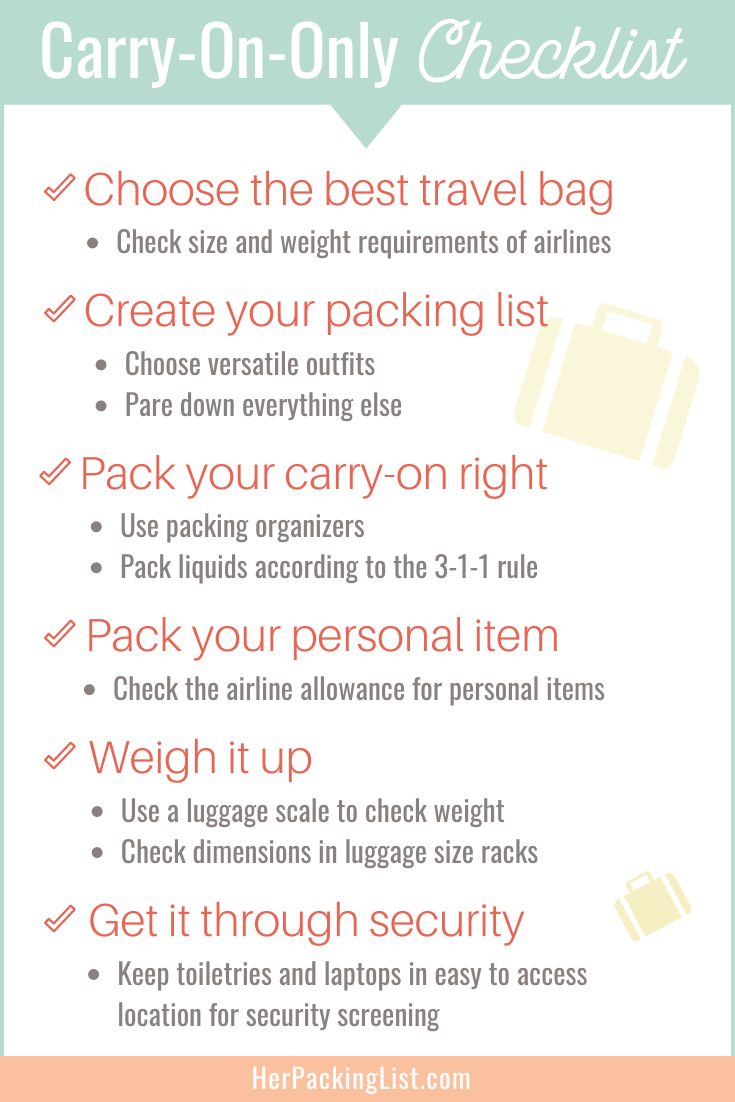
Bring a small bag with important items. Include a phone charger and headphones. Pack snacks and a water bottle. Carry a book or something to pass time. Have a travel pillow and a light jacket. Keep your documents and money safe and close.

Credit: www.reddit.com
Layover Visa And Immigration Rules
Understanding layover visa and immigration rules is important for smooth travel. Rules differ by country and airport. These rules decide if travelers can leave the airport or must stay inside the terminal. Knowing the rules helps avoid travel problems and delays.
When A Visa Is Required
Some countries need a visa even for short layovers. If you plan to leave the airport, a visa is usually required. Certain nationalities must get a transit visa regardless. The length of the layover can also affect visa needs. Check the destination country’s rules before traveling.
Transit Without Visa Options
Many airports allow transit without a visa. Staying in the transit area means you do not pass immigration control. This option is common for short layovers under 24 hours. Some countries offer visa-free transit for specific nationalities. Confirm transit rules to avoid visa issues.
Customs And Security Procedures
During a layover, customs and security can vary. If you stay in the transit zone, you usually skip customs checks. Leaving the airport requires passing customs and immigration. Security screening may happen again before boarding the next flight. Follow airport signs and staff instructions carefully.
Layovers And Travel Costs
Layovers can affect your travel costs in several ways. They might lower the price of your flight tickets or add extra expenses. Understanding how layovers impact your budget helps you make smarter travel choices.
Cost Benefits Of Layovers
Flights with layovers often cost less than direct flights. Airlines use layovers to fill seats on less popular routes. This means travelers can find cheaper tickets by choosing flights with stops. Also, layovers give more options for flexible travel dates. Travelers can save money by booking flights with longer layovers or multiple stops.
Potential Extra Expenses
Layovers may add costs beyond the ticket price. Some airports charge fees for services during long waits. Food, drinks, and transportation at layover cities can increase your budget. If the layover is overnight, you might need to pay for a hotel. Baggage fees can also rise if you switch airlines during your layover.
Using Layovers To Save Money
Plan your layover carefully to reduce extra expenses. Choose airports with affordable food and easy transport. Short layovers can cut costs by avoiding hotel stays. Book flights with the same airline to avoid baggage fees. Use layovers to explore a new city without spending much. This way, layovers become a chance to enjoy travel and save money.
Credit: www.kayak.com
Layovers In Popular Hubs
Layovers happen in many busy airports worldwide. These hubs connect flights from different places. They serve millions of travelers every year. Knowing about popular layover hubs can help plan your trip better.
Each airport offers different experiences and services. Some are easy to navigate, while others have many amenities. Understanding these differences can make your layover comfortable and stress-free.
Top Airports For Layovers
Atlanta’s Hartsfield-Jackson is the world’s busiest airport. It has many shops and restaurants. Dubai International connects many flights between East and West. Singapore Changi is famous for its gardens and entertainment. London Heathrow links Europe with many global destinations. These airports handle millions of layovers yearly.
Layover Experiences By Region
In North America, airports focus on speed and convenience. Europe’s airports often have cultural and historical displays. Asia’s hubs offer luxury lounges and unique local cuisine. Middle Eastern airports blend modern design with hospitality. Each region has a distinct style and service level for travelers.
Airport Amenities For Travelers
Many airports provide free Wi-Fi and charging stations. Lounges offer quiet places to relax or work. Some airports have sleeping pods or hotels inside terminals. Shopping areas feature local products and global brands. Food courts serve a variety of meals for all tastes.

Credit: meltontruck.com
Frequently Asked Questions
What Is A Layover In Air Travel?
A layover is a short stop between connecting flights. It allows passengers to change planes before reaching their final destination. Layovers can last from minutes to several hours depending on the flight schedule.
How Does A Layover Work During A Trip?
During a layover, passengers disembark and wait at the airport. They may explore airport amenities or stay at the gate before boarding the next flight. Passengers usually stay airside and do not clear customs unless leaving the airport.
Can I Leave The Airport During A Layover?
Whether you can leave depends on layover length and visa rules. Short layovers usually don’t allow exit. Longer layovers may permit exiting if you have the proper visa and enough time to return for your next flight.
What’s The Difference Between A Layover And A Stopover?
A layover is a short break under 24 hours on domestic trips or 4 hours on international ones. A stopover is longer, usually over 24 hours, allowing passengers to explore the stop location before continuing their journey.
Conclusion
A layover means a short stop between flights. It lets you rest or explore a new place. Sometimes, layovers can be long or short. Knowing how they work helps you plan better trips. You can use this time to relax, eat, or stretch.
Always check your layover time and airport rules. This way, you avoid stress and missed flights. Understanding layovers makes flying easier and less confusing. Safe travels and enjoy your journey!